There is a simple formula every MFD understands, but not every MFD acts on.
Revenue = Number of Clients x Revenue per Client.
Most advisors focus heavily on earning more from existing clients and leave new acquisition largely to chance. But there are two paths to client growth: direct acquisition from the open market, and referrals from existing clients. Here is how the best in the business approach each.
These insights come from Session 2 of Investwell Insider, a series we run exclusively for our advisor community. At Investwell, our clients are our community, and sessions like these are our way of giving back. Each session brings in an experienced distributor or advisor to share real-world learnings. Session 2 featured Mr. Prabin Agarwal.
The Pie Is Bigger Than You Think
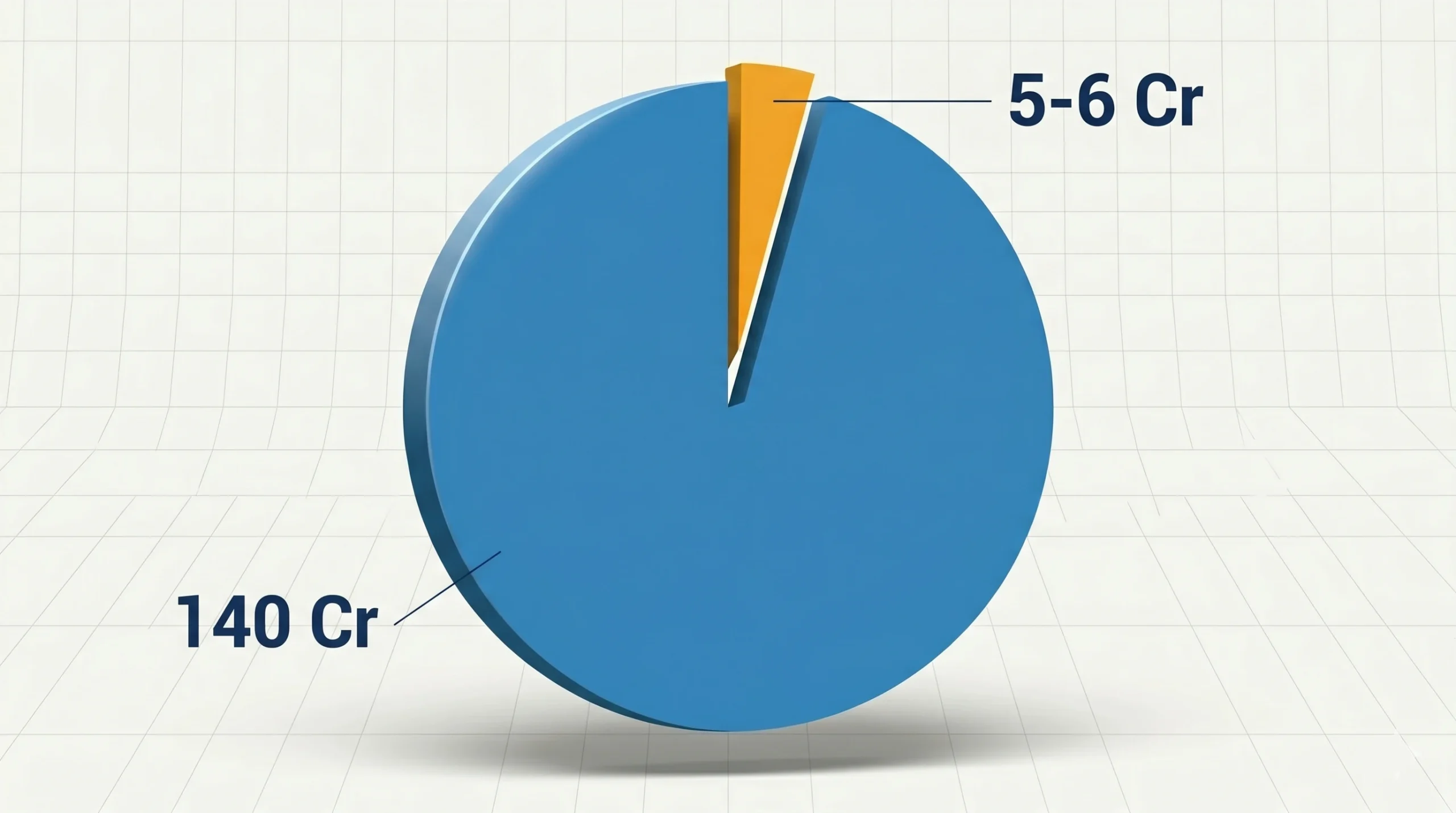
India has over 140 crore people and only 5 to 6 crore unique mutual fund investors.
Let that sink in. The challenge in this business is not competition. It is non-consumption. Most people who should be investing are not doing it yet, out of fear, unfamiliarity, or the absence of someone they trust. That someone can be you.
And beyond the market opportunity, there is a business case closer to home. More clients do not just mean more revenue. They mean more diversified revenue. If your income depends on a handful of large clients, your business is carrying a concentration risk that often goes unacknowledged. You already understand diversification deeply, you talk about it with your clients every day. It is worth applying that same thinking to your own revenue base.
Visibility Is the Foundation That Trust Is Built On
Unlike a dealership or a franchise, there is no territory that brings clients to you by default. Someone who wants to invest can walk into a bank, download an app, or reach out to another advisor. What brings them to you specifically is trust. And trust, more often than not, begins with visibility.

What is seen is what gets chosen. Visibility builds familiarity, familiarity builds credibility, credibility builds trust. In a business where the product is largely the same across providers, trust is the only real differentiator.
Know Who You Are Talking To
Visibility without focus tends to be wasted effort. It helps to first be clear about who your ideal client is. Every advisor has a segment they work with particularly well, whether that is business owners, salaried professionals, doctors, or traders. Once that is clear, the question becomes:
Where are these people? Which newspaper do they read? Which community do they belong to? Which events do they attend?
That is where your presence needs to be, consistently.
Prabin’s own journey started with a newspaper advertisement that cost Rs. 3500 a month in 2012. A small, regular presence that grew steadily over time. The lesson is not about how much you spend. It is about how consistently you show up. The same principle you share with your clients about SIPs applies here too. Start with what you can sustain. Stay consistent. The compounding will follow.
Your Happiest Client is Your Strongest Salesperson

Most advisors are not getting as many referrals as they could. The reason is usually one of three things:
- The ask is not clear enough
- The timing is off
- Approaching the wrong clients
Getting all three right begins with one thing: the relationship.
There is a meaningful difference between a transactional approach and a relationship-driven one. A transactional advisor completes the investment and moves on. A relationship-driven advisor stays present in the client’s life. One of the simplest ways to do this costs nothing at all. Pay attention to your clients’ WhatsApp statuses. If someone posts photos from a trip to Banaras, a quick call to ask how it went goes a long way. Not to sell anything. Just to connect genuinely. It also helps to keep notes on what clients enjoy talking about, whether it is cricket, their children’s education, or their business. When you know what matters to someone, conversations become richer. Richer conversations build deeper trust. And deeper trust, over time, generates referrals organically.
What Technology Cannot Replace
Perhaps the most important value an advisor can bring is behavioral hand-holding. Prabin shared a live example from the day of the session itself: a client from Delhi had reached out to him that very morning. She had been running daily SIPs across three funds for two years through an app, with an alarm set for 10:20 every morning. But over the last 20 to 25 days, as markets turned volatile, she had quietly stopped.
The app gave her convenience. It could not give her conviction.
That is the space you occupy. Digital platforms can execute transactions efficiently. What they cannot do is sit with a client during a difficult stretch and remind them why they started. That human presence, at the exact moment it matters most, is something no platform can replicate. And when you show up in those moments, clients remember. When someone in their circle is looking to invest, your name tends to come up first.
When and How to Ask for a Referral
When the relationship is genuinely strong and the client is in a good place, that is the right time to ask for a referral. It is worth giving that conversation its own dedicated time rather than adding it to the end of a review meeting.
Prabin’s suggested language is simple:
“You are our ideal client. We genuinely enjoy working with you. If you know one or two people like yourself, we would love an introduction.”
Specificity helps too. If you already know that your client Ramesh is acquainted with Ajay, who would be a strong fit for your practice, it is worth naming that. Asking Ramesh directly whether he would be comfortable making an introduction is far easier for him to act on than a general ask. You have already done the thinking. Making it easy for them to say yes is often all it takes.
Vague asks get vague results. Specific asks get introductions.
The Mantra: AI and Consistency

Prabin closed the session with what he called his mantra: two letters. AI
Two years ago, building a credible digital presence required a team, a meaningful budget, and technical expertise that most small MFDs simply did not have access to. That barrier no longer exists. A professional profile photo can be created in minutes. A brand video at minimal cost. A website that would have cost lakhs a few years ago can now be built in days. Voice-overs that once meant hiring radio artists can be produced almost instantly.
The playing field has levelled in a way that is genuinely significant. A solo MFD in Siliguri today has access to the same quality of digital presence as a large organization in Mumbai. Prabin’s position on this was clear: digital presence and AI are not negotiable. Everything else, the size of the office, the team, the location – those are choices. Showing up digitally and doing so consistently is not.
Consistency, ultimately, is the thread that runs through everything Prabin shared. The advice you give your investors every day applies equally to your own business. Invest consistently. Start small if you need to. Trust the process. The results come to those who stay the course.
Webinar Speaker
Mr. Prabin Agarwal is a Certified Financial Planner (CFP) and founder of Prabin Agarwal Empowering Investors, based in Siliguri, West Bengal. With over 20 years in the profession, he manages assets exceeding 800 crore for 8000+ investors. He is a recipient of the MFRT Excellence Award, the Most Influential Volatility Coach Award by FFF, and the Marketing Wiz Award by Wealth Forum, among others.